Why teachers outgrow Planbook, Planboard, and the digital diary
Ask a teacher what their teacher planner does and they'll tell you it holds the week. Ask what it does after the week, and you'll get a shrug.
Ask a teacher what their teacher planner does and they'll tell you it holds the week. Ask what it does after the week, and you'll get a shrug.
That shrug is the whole problem.
Let me be fair to the planbooks first, because none of them are bad software. planbook.com has been going for well over a decade - weekly grid, standards tags, copy last year forward, a few quid a year. Planboard by Chalk gives you most of that free, with neat curriculum alignment on top. Common Curriculum is built for teams who plan together. PlanbookEdu keeps it light for anyone who just wants a Google-friendly diary and nothing fancier. Pick any of them and you'll end up with a clean digital record of what you meant to teach.
"Meant to teach" is the catch.
A planbook writes the intention down, and then it's finished with you. It can't tell you the starter flopped. It won't draft Thursday off the back of how Tuesday actually went. It has no opinion on which three kids are quietly going under at the back. And the first Monday a snow day or a fire drill wrecks your sequence, you're in the grid at 9pm dragging cells one at a time, rebuilding a fortnight by hand while the kettle goes cold. Anyone who's done it knows the specific misery of that job.
Here's what got me, back when teaching was the day job. I'd pour everything into a plan - aims, resources, who needed pushing and who needed catching - teach it, and watch all of that context evaporate the second the bell rang. The planbook remembered none of it. Next week, blank page, from the top.
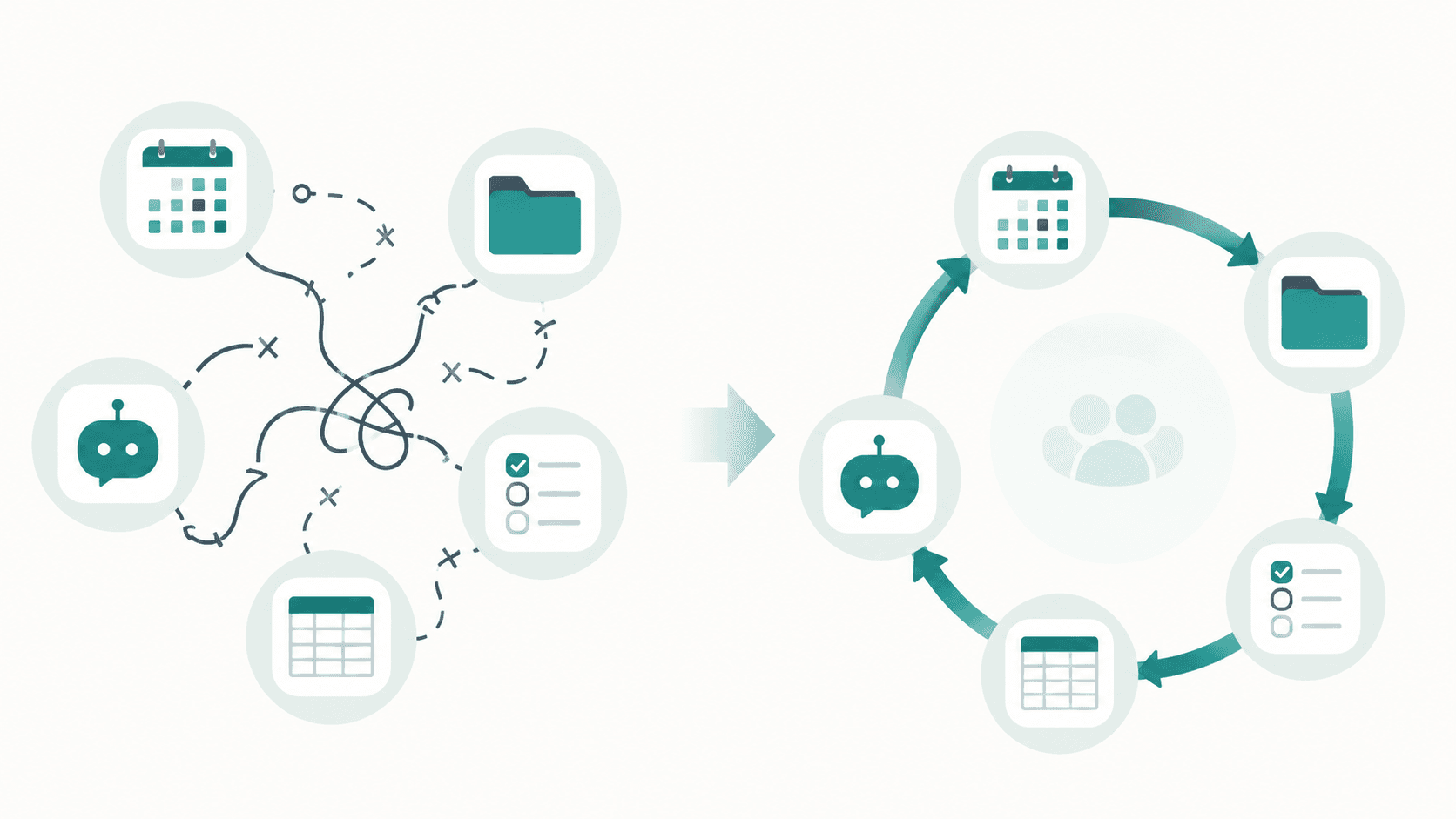
So Qlix started as a fix for exactly that itch. Not "a nicer grid." A planner that treats the plan as the beginning of something rather than a headstone.
Which means rescheduling that actually moves. Push one lesson and the rest of the term shuffles down with it in a single action; pin the trip and the mock so they don't budge an inch. It means linking a master plan once and teaching it across every class that shares it - change it in one place and it changes everywhere, no copy-paste archaeology. And it means the plan doesn't just sit there looking pretty. It feeds the AI and the class insights, so the Sunday you gave up is still earning its keep in October.
Would I tell you a cheap annual diary is a rip-off? Not for a second. If a grid is genuinely all you need, buy the grid and pocket the difference. But a grid was never all I needed. I wanted the plan, the class, and the memory of how it actually went living in one place - so Monday starts where Friday stopped, not from zero.
We've been at this since 2017, with teachers from UK to New Zealand. The ones who switch rarely lead with "nice interface." They tend to say some version of what Lorraine at Hampshire Collegiate told us - that it's hard to live without.
- The Qlix team
Start free with a 7-day trial - no credit card, lesson plans backed up for life.
Comments
No comments yet